Science news
Daily science news with breaking updates on the latest scientific research, interesting technology breakthroughs, new discoveries and how today's science headlines affect you. Brought to you from the team behind BBC Science Focus magazine.

Experts have just discovered thousands of new insect species hiding in California
DNA from more than a million bugs suggests at least a third of the state's insects have never been collected

New issue: Where gravity begins
This is normally the place where I would talk about an incredible experiment, a test of gravity and the hunt for a theory of everything. But I’m given pause by the recent passing of Sir Patrick Stewart. He was just an actor, you might say, not a scientist, so why talk about him here? I think most of us would agree that art – and yes, science fiction and acting are both arts – has taught the world more about science than any newspaper or magazine. We all knew him as Captain Jean-Luc Picard, a singular, erudite voice who navigated the morality of a complicated and chaotic Universe. Picard taught the world a thing or two: that male role models could come in all shapes and sizes, that humility makes great leaders and that mistakes aren’t weaknesses. But there’s a greater lesson I once learned from Patrick Stewart. In 2013, he gave a speech to the Oxford Union – and thankfully you can watch the whole thing on YouTube (bit.ly/SirPSOxfordAddress). Patrick was there to talk about the importance of art, and of acting, and so he read out the words of Karl Paulnack, an American pianist, teacher and speaker. One of the most profound musical compositions, Paulnack said, is A Quartet for the End of Time, written by French composer Olivier Messiaen. In 1940, Messiaen was captured by German forces and taken to a prisoner-of-war camp. There, he was lucky enough to meet a sympathetic prison guard, who gave him the pen and paper upon which he composed this piece of music. It was performed by a cellist, a violinist and a clarinettist who were imprisoned with him. Given what we know about life in the camps, said Paulnack, why would anyone waste their energy writing or playing music? They had barely enough to stay warm and escape torture. So why bother with music? The only conclusion is that art is essential to life. Art, he said, was a part of survival. It’s one of the ways we say: I am alive and my life has meaning. Karl Paulnack’s words, as shared by Patrick Stewart – as good a theory of everything as I’ve ever heard.

Some (very creepy) secrets of Ancient Egypt’s human sacrifices have been uncovered
A century-old suspicion about Egypt’s first kings may finally have the evidence to back it up – and it’s grisly
null
undefined

Experts asked 50 people to draw their near-death experiences – and the strangest pattern emerged
Tunnels, archways and giant bubbles of light: a new study maps what people see when they nearly die

Extreme close-ups: Can you work out what everyday objects these 20 photos show?
The winners of this year’s Nikon Small World competition reveal the strange, beautiful detail hidden in the tiniest things

'Escalating threat': A deadly fungus no standard drug can treat could be spreading undetected, warn experts
Scientists have found a fungus no standard drug can treat – and there are likely more cases out there

We may finally know exactly when this Van Gogh masterpiece was painted, say astronomers
Was The Starry Night painted a month later than first believed? Experts are divided

You’re likely throwing away the healthiest part of fruit, warn experts
Waste not, want not

We might finally know what came before the Big Bang
Could all of this have happened before? And might it happen again?

This bold new treatment may have just cracked how to reverse Alzheimer’s
Thousands have had the procedure in China, with dramatic stories of recovery. But experts remain deeply divided on the evidence

A drug-free treatment for diabetes and obesity is within reach, say experts (and it's not exercise)
A new high-tech device reduced blood sugar levels and body weight in early trials on mice

Britain's biggest carbon store is hidden beneath our forests – and it can help to future proof our planet
We explore how the carbon cycle’s delicate balance lies in an invisible world underground.

'Could be counterproductive': Why too much protein can actually be unhealthy, according to nutrition experts
We're likely over-consuming the world's most profitable nutrient – and it’s wrecking our waistlines.

‘Danger zone’: These 5 US states are about to be hit hardest by El Niño, experts warn
Expect wildfires, floods and storms

We might finally know what caused the strangest flash in the entire Universe
Two neutron stars collided and produced a record-breaking X-ray flash

An invisible force could be changing your lifespan, study suggests
Could the secret to how long we live be linked to Earth’s magnetism?

Experts have found an unexpected side-effect of weight-loss drugs
GLP-1s are linked to hair and nail changes, which experts say are reversible

The 5 absolute best space images of 2026 (so far)
Jaw-dropping images of outer space from the ZWO Astronomy Photographer of the Year competition

This surprising factor could reveal how compatible you and your partner really are, says science
A shared taste in music is as good an indicator as any, scientists say

Weight-loss jabs may slow biological ageing, landmark new study suggests
GLP-1 drugs are best known for treating diabetes and obesity, but could they also help to slow down how we age?

Mercury is shrinking faster than anyone thought
Wrinkles on the surface are clues as to the planet’s previous size
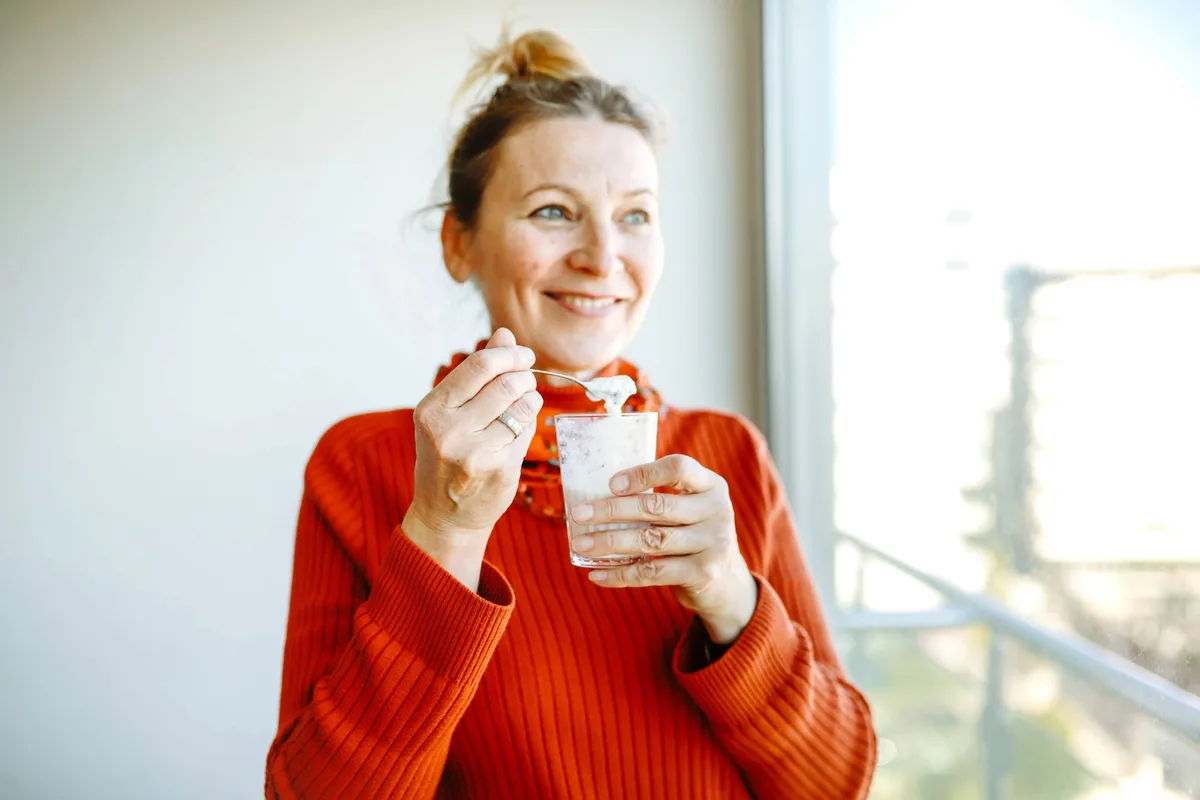
This simple diet change could slow your biological age in just four weeks, study suggests
The answer could lie in the balance of what is on your plate

Even 'triple-washed' lettuce could be nowhere near as clean as you think, warn experts
As the US suffers a parasite outbreak linked to lettuce, experts share how to enjoy your summer salads safely

Experts tracked lions for four years and found something incredible
The Lion King got one major detail wrong, a new study shows
