
The greatest pyramid mysteries: 6 things experts still can’t explain
From hidden chambers to lost civilizations, the world’s most enigmatic landmarks are still, slowly, revealing their secrets

The simple changes that actually improve your sleep (and the hacks that don't), according to world-leading experts
From mouth taping to six-hour nights – we asked researchers what's actually backed by science

'Thought to be lost forever': After 2,000 years, a library buried by Pompeii’s eruption is finally revealing its secrets
The scrolls of Herculaneum are being unravelled by AI (among other things)

Monk fruit vs sugar: what to know before you swap
The ancient fruit that could help you cut sugar.

New issue: Why when you eat matters
There is no light quite like the one inside my fridge. It makes everything look delicious, especially when I’m gazing in at the contents considering a midnight feast. But it’s not just a trick of the light. If my eyes settle on the leftovers from dinner, for instance, I know that in the few hours since they were on the table, the flavours will have had a chance to marry and meld even further. They’ll be richer, they’ll be fuller. They’ll taste… different. The thing is, the leftovers aren’t the only thing that’s different now that the clock’s struck midnight. I am too. Or rather, my metabolism is. And if I were to launch into those tasty-looking leftovers now, my body wouldn’t deal with the food the same way as it did earlier in the day. Were I to eat this food during daylight, sugars would be shifted through my system fairly swiftly. But eating it in the evening means those same sugars are going to hang around longer, causing a higher-than-normal blood sugar spike and a corresponding insulin response. Fat in the food is also more likely to get stored instead of being burned as fuel. Worse still, chances are it’s getting stored as visceral fat wrapped around my organs, instead of comparatively less-harmful subcutaneous fat just beneath my skin. And that’s all before considering how submitting to the delights of this midnight snack could upset my body clock, potentially throwing other spanners into the works of my general health for days to come. Now, I’m no hypochondriac and I’m not neurotic about food. But all these are real concerns – for everybody, not just me. It’s also a concern for the scientists who study the effects food has on our bodies. They’re discovering that when we eat matters almost as much as what we eat. The name they’ve given this clock-related phenomenon is chrononutrition, and you can find out how it’s changing our approach to mealtimes in this issue.

7 surprising habits Cambridge experts swear by to slow cognitive decline
Your brain deserves a little TLC, for the present and the future

'It's just incredible': The 6 strangest discoveries experts have made about Stonehenge
The more we learn about the ancient monument, the stranger it gets

What your dreams can reveal about your personality, according to experts
Our nighttime imaginings reveal more about us than we thought

'I expected life. But not this': Experts are uncovering a trove of very strange creatures hiding under Antarctica
What can life evolve into after a million years of total darkness, crushing pressure and isolation?

Why is it so difficult to remember our dreams?
Plus, how to improve your dream recall
Top reads

151 random fun facts that will blow your mind
Our collection of the best interesting trivia covers animals, biology, geography, space and much more

8 techniques all anxious people should use, according to a psychologist
Whether in the short- or long-term, there are lots of different techniques that can help you deal with anxiety.

44 cool gadgets: Our pick of the best new tech for 2025
Welcome to our regularly updated curation of the coolest, smartest kit money can buy.

Science news

'Could be counterproductive': Why too much protein can actually be unhealthy, according to nutrition experts
We're likely over-consuming the world's most profitable nutrient – and it’s wrecking our waistlines.

‘Danger zone’: These 5 US states are about to be hit hardest by El Niño, experts warn
Expect wildfires, floods and storms

We might finally know what caused the strangest flash in the entire Universe
Two neutron stars collided and produced a record-breaking X-ray flash

An invisible force could be changing your lifespan, study suggests
Could the secret to how long we live be linked to Earth’s magnetism?
Future technology

Think you know Pompeii? These are the 7 myths you probably still believe
We all think we’ve heard the story of the deadly Roman-era volcanic eruption. But there’s so much more to learn

Armed robots are now battling on Ukraine’s front line. What comes next is even stranger
Unmanned ground and air vehicles are changing warfare as we know it

'It's extremely controversial': The bizarre, once-shunned idea that could finally cool our heating planet
As Earth's climate continues to warm, experts are increasingly wondering if we could, and should, take more drastic action and start tinkering with the planet in the hope of saving it

What if we built a super-collider around the Moon?
Scientists have considered putting a super-collider on the Moon. What benefits would this have over the Large Hadron Collider at CERN?
Instant Genius Podcast
From the creators of BBC Science Focus, Instant Genius is a bite-sized masterclass in podcast form. With each episode, a different world-leading expert will help you understand the latest ideas and research in the world of science and tech. We want to make you an expert in everything.

Instant Genius Podcast | Do you have synaesthesia? Why some of us can taste words
Do you experience sounds or music visually as certain shapes? Or 'hear' colours?
Instant Genius Podcast | Why you’re not actually addicted to your phone
Not all social media is unhealthy – here's how to rethink your relationship to it.
Instant Genius Podcast | How personalised medicine is about to change healthcare forever
The new power of precision treatments, explained.
Your questions answered
Our team of scientists, doctors and experts answer your burning questions - send yours to questions@sciencefocus.com

Experts now say you have far more than five senses. Here’s what you never noticed
Neuroscientist Dr Lisa Feldman Barrett discusses the different ways we’re able to perceive the world

How much does the average human body cost?
How much would it cost to make you from scratch? Spoiler: not much

How spicy is too spicy?
Even for the biggest spice fans, some foods are going to be too much, causing serious health problems.

Here's what déjà vu (or the lack of it) says about your coginitive decline
Some people can experience it constantly

You can be declared dead, but can you be declared alive?
Being declared dead when you're still alive is a rather sticky situation.

Do animals dream when they hibernate?
Is hibernation just an extra-long night’s sleep? The answer may surprise you
Science photo galleries

The 10 most powerful (and deadly) volcanic eruptions in recorded history
Nothing is more terrifying than a huge volcanic eruption filling the sky.

15 of the world's weirdest-ever inventions
From the V-shaped bed designed by an exercise legend, to a robot that feeds you tomatoes

The world’s largest camera has taken its most mind-blowing images yet
One year in, the Vera C Rubin Observatory is already changing astronomy forever
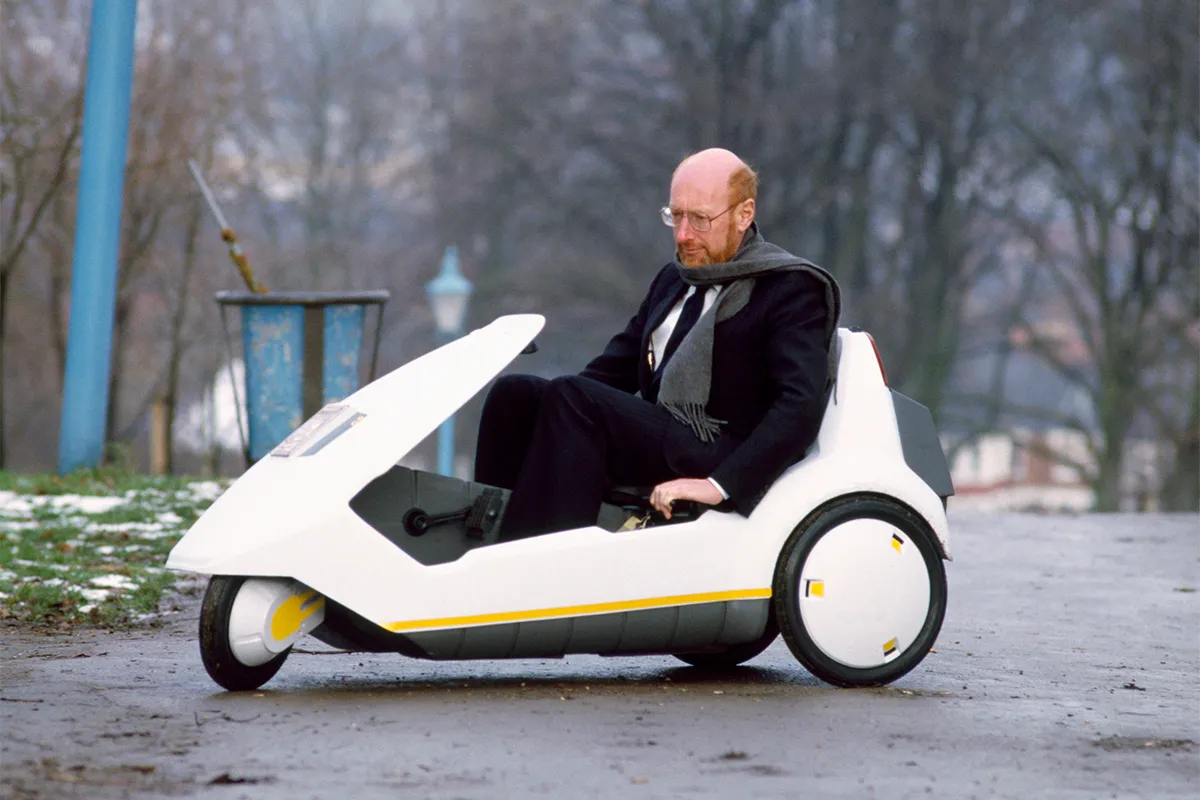
10 of the world's worst-ever inventions
From the electric tricycle to parachute coat, these are some of the most poorly received devices developed around the globe.

Artemis II in pictures: 21 jaw-dropping photos, from launch to splashdown
Ten days, one Moon, and a view we’ve waited half a century to see again

Top 10 most dangerous roads in the world 2026
Fasten your seatbelts and hang on for dear life
